01
Choose a template
Select the option that matches your news, such as a product launch, event, partnership, or funding round.


Choose the type of announcement, add the key facts, and get a structured starter draft.
 Word
Word PDF
PDF Google Docs
 Plain text
 ★★★★★4.767 reviews




A press release template is a reusable framework for writing an official announcement. It gives you space for the headline, dateline, lead, supporting facts, attributed quote, company boilerplate, and media contact details journalists expect.
Select the option that matches your news, such as a product launch, event, partnership, or funding round.
Answer the prompts with your company name, announcement details, date, quote, and media contact.
Review the draft, then copy it or download it as a Word document, PDF, Google Doc, or text file.
The preview updates as you type. When the draft is ready, copy it or download it in the format you need.
The template handles the structure. Your job is to make the announcement specific, accurate, and worth reading.
Use a release for a concrete launch, event, appointment, transaction, result, or other verifiable change.
Name the company and action. Save slogans, scene-setting, and background for later.
Give the reader the who, what, when, where, and why before adding context.
Include dates, prices, availability, data, methodology, or practical details a journalist can verify.
Explain a decision or consequence. Do not repeat the headline in quotation marks.
Add the company boilerplate, a working media contact, useful links, and any downloadable assets.
Read Prezly's detailed guides to writing a press release, headlines, quotes, boilerplates, and length.
Product launches, events, partnerships, appointments, acquisitions, and funding rounds need different facts. Choose a type below, then replace the sample information with your own.
Use this template for a new product, service, feature, or major update.
availability date, audience, price or access details, key capability, and product link.
A shared workspace brings briefs, drafts, contacts, and approvals into one campaign view.

“Teams should see the campaign without opening six tabs.”
Start with the headline and lead paragraph. Then add supporting details, a useful quote, a short company description, and media contact information.
State the announcement in one clear sentence. Avoid slogans and vague claims.
Answer the essential questions: who, what, when, where, and why.
Add context, evidence, and a quote that gives a useful point of view.
End with a short company description and the name, email, and phone number of a media contact.
BRUSSELS, October 12, 2026 — Acme today launched a shared campaign workspace that gives communications teams one place to plan, draft, and review their work.
The workspace is available today and brings campaign briefs, story drafts, contacts, and approvals into a single view.
“Teams should be able to see the campaign without opening six tabs,” said Mara Bell, CEO of Acme.
Acme builds campaign software for in-house communications teams.
Mara Bell · press@acme.example
Remove any section you do not need, and check every name, date, number, link, and quotation before sending.
FOR IMMEDIATE RELEASE
[Optional subheadline with an important date, number, audience, or outcome]
[CITY, COUNTRY, Month Day, Year.] [Company name] today announced [the main news, who it affects, and when it takes effect].
[Explain why the announcement matters. Add specific dates, numbers, availability details, or other facts a journalist can verify.]
“[Add a quote that gives context, explains a decision, or describes the effect on customers],” said [full name, job title, company].
[Add one or two short paragraphs with supporting facts or relevant background.]
[Explain what the company does, who it serves, and where readers can learn more.]
###
The builder organizes your information into a press release. It does not fact-check or rewrite the result, so give it one final edit before publishing.
Confirm names, dates, numbers, links, and contact details.
Replace words like “innovative” with specific, useful details.
Make sure every quoted person has approved their wording.
Use an inbox and phone number that journalists can reach.

“That's everything a journalist needs right there. The easier you can make it for them, the better.”
Nicole Yeardley · Digital Marketing & Content Manager, Wallsauce
Read the customer storyA finished document is the source material. Coverage still depends on the story, timing, audience, and outreach.
Put the release on a public newsroom page with working links, images, captions, and downloadable media.
Explain why the news matters to that journalist's audience and link to the complete release.
Choose journalists who cover the topic. A small relevant list beats a mass blast.
Honor embargoes, answer follow-up questions, correct public facts, and track replies and coverage.
Next: write the media pitch or read Prezly's guide to press release distribution.
In Prezly, you can add images, brand styling, links, and downloadable media assets before publishing the release in your newsroom.
Browse real press release examplesnews.remarkable.com

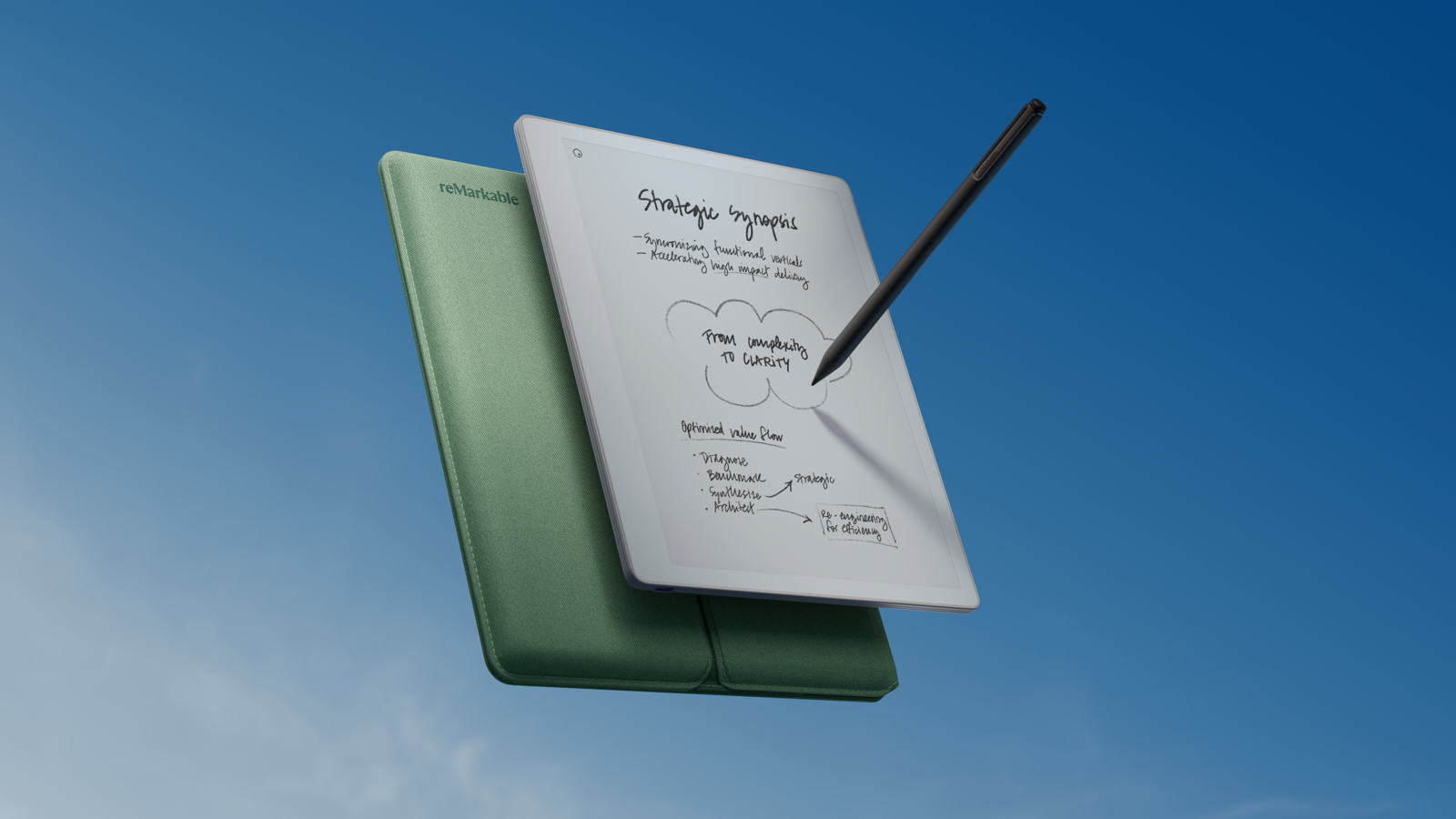
The new 10.3-inch black-and-white paper tablet offers reMarkable's renowned paper-like writing feel and workflow-focused features.
 Product images
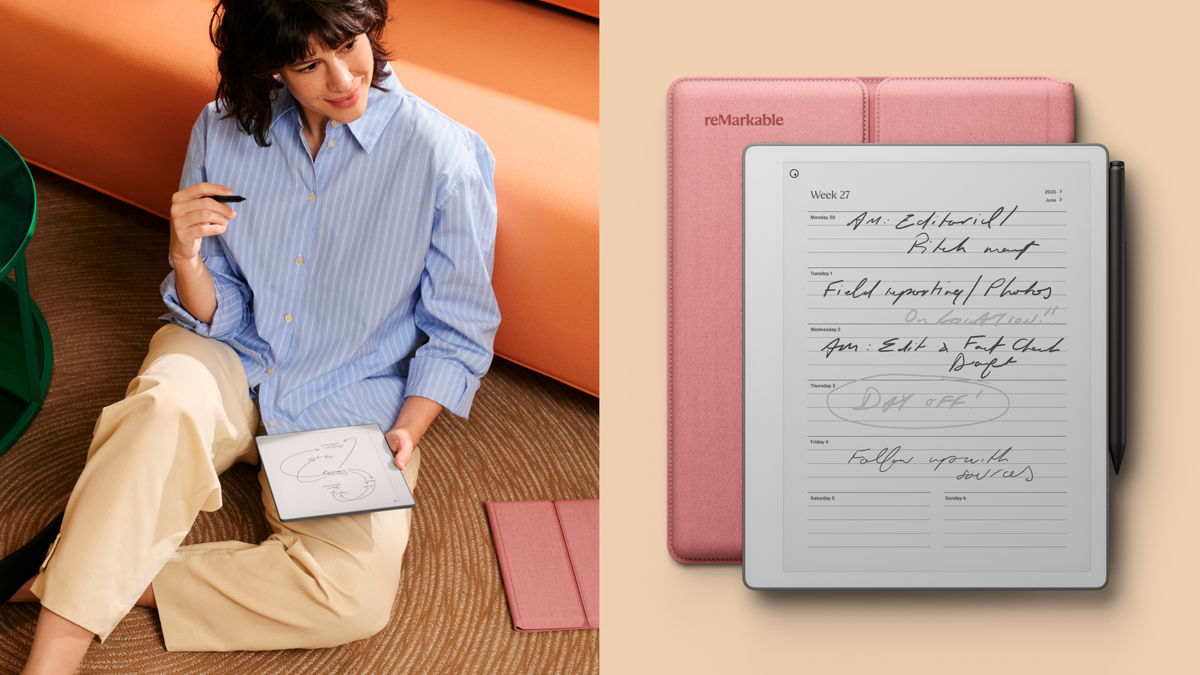
reMarkable today announced reMarkable Paper Pure, the easiest way to bring the freedom and benefits of handwriting into a busy digital workday. It begins shipping in early June, starting at $399.
“It closes the gap between how we think and work in a way only a paper tablet can.”Mats Herding Solberg, Chief Product Officer at reMarkable
A press release template is a reusable structure for announcing news to journalists and the public. It normally includes a release instruction, headline, dateline, lead, supporting facts, attributed quote, company boilerplate, and media contact details.
A standard press release includes a clear headline, a dateline, a lead paragraph containing the essential news, supporting detail, a useful quote, a company boilerplate, and media contact information.
Aim for one page and roughly 300 to 500 words for most announcements. A complex financial, legal, or research release may need more room, but every extra paragraph should add facts or useful context.
The lead should quickly answer the most important parts of who, what, when, where, why, and how. Do not hide the announcement behind company history or scene-setting.
Usually, yes. A good quote adds interpretation, evidence, or a human point of view. Avoid quotes that merely say the company is excited, delighted, or proud.
A complete press release normally includes a release instruction, headline, optional subheadline, dateline and lead, supporting facts, an attributed quote, company boilerplate, media contact details, and an optional closing mark.
The five Ws are who, what, when, where, and why. A strong lead answers the most important of these immediately, then uses the body to add evidence, context, and the how.
Yes. Build the draft on this page, then download a Word document, download a PDF, copy formatted text for Google Docs, or save a plain-text version.
No. A press release is the complete official announcement. A media pitch is a short, personalized message that explains why the announcement is relevant to a particular journalist and links to the full release.
It means journalists may publish the information as soon as they receive it. If the news must remain private until a specific moment, use an embargo instruction with the date, time, and time zone instead.
The three hash marks are a traditional closing mark that tells the reader the release has ended. They are optional for an online newsroom story but still common in documents sent to media contacts.
Create a branded newsroom story, send it to your media contacts, and manage the campaign from one place.
Start a free Prezly trial