14 Best PR Management Software Tools (In 2026)
A practical guide for PR teams and agencies evaluating tools to manage media relationships, campaigns, and coverage.
Most PR teams don't struggle to find PR management software. They struggle to figure out which kind they actually need – and why so many platforms that promise to manage everything end up feeling like they only half-manage anything.
This guide covers what these platforms do, which workflows it should support, and how to evaluate the right fit for your team. We've also compared the most widely used platforms so you can skip straight to the shortlist that makes sense for your situation.
PR management software is the category of tools that helps communications teams plan, execute, and measure public relations activity. It acts as a centralised hub for managing media contacts, writing and distributing press releases, tracking coverage, reporting results to stakeholders, and maintaining the relationships that make earned media possible over time.
The term covers a wide range of platforms: some are built around a media database, others around monitoring, and a few attempt to bring the full PR workflow – outreach, publishing, analytics – into one place.
What distinguishes PR-specific tools from generic project management software is that they're designed around media relations workflows: who you're reaching out to, what story you're telling, whether it landed, and whether it's building toward something.
There's no single platform that suits every PR team. But before diving into each tool, here's a high-level comparison to orient the field.
Scroll horizontally to see all columns. Use the arrow keys when the table is focused.
Tool | Best for | Key features | Typical price range |
|---|---|---|---|
Prezly | All-in-one PR platform | Newsroom, PR CRM, pitching, monitoring, analytics | Mid-range subscription |
Cision | Enterprise database + monitoring | Global media database, monitoring, distribution, reporting | Enterprise (quote-based) |
Muck Rack | Outreach-heavy teams | Journalist database, pitching, monitoring, reporting | Mid–high range |
Meltwater | Monitoring-first teams | Monitoring, social listening, analytics, database | Enterprise (quote-based) |
Prowly (Semrush AI PR Toolkit) | Existing users assessing alternatives | CRM, newsroom (transitioning) | Variable |
CoverageBook | Reporting-focused agencies | Coverage reports, visual dashboards | Lower–mid range |
Agility PR | Traditional media database workflows | Database, monitoring, outreach, reporting | Mid–high range |
BuzzStream | Digital PR and SEO outreach | Contact management, outreach, follow-ups | Lower–mid range |
Critical Mention | Broadcast monitoring | TV/radio monitoring, clip reporting | Enterprise |
Talkwalker | Social listening at scale | Social monitoring, sentiment analysis, analytics | Enterprise |
Brandwatch | Enterprise consumer insights | Social data, dashboards, audience analysis | Enterprise |
Mention | Lightweight brand monitoring | Web and social alerts, keyword tracking | Lower range |
Onclusive | Large comms teams with heavy reporting needs | Monitoring, analytics, share of voice | Enterprise |
Roxhill | UK-focused PR teams | UK media database, journalist research, pitching | Mid–high range |
Before evaluating specific tools, it helps to be clear about what problems this software is solving.
Media relationships sit at the centre of most PR work. A good PR management platform helps teams store media contacts, track interactions, segment lists, and preserve valuable context around each relationship.
PR CRMs and media databases serve different functions. A media database helps teams discover relevant contacts, while a CRM keeps a record of conversations, outreach activity, and relationship history.
The best platforms store past conversations and pitching preferences in a unified database, and prevent two team members from accidentally contacting the same journalist at the same time. That kind of interaction tracking turns a contact list into something closer to genuine relationship management.
Writing a press release and getting it in front of the right media contacts is a fundamental part of PR software. Stronger platforms also support personalised outreach, send scheduling, and engagement tracking, giving teams useful insight into opens, clicks, and campaign performance when planning follow-up activity.
This is where many PR tools fall short. Once outreach ends, the story usually disappears – buried in inboxes, forgotten when the news cycle moves on. Platforms with built-in online newsroom publishing let teams create press releases and stories that live publicly and remain discoverable long after the campaign ends. That's the difference between PR that resets after every send and PR that compounds over time.
A well-maintained online newsroom also means journalists can find press materials, high-resolution images, and background information on demand – making their job easier and making your team easier to work with.
Media monitoring tracks where and how a brand is mentioned across news outlets, blogs, broadcast channels, and social media. Most established platforms include some version of this; quality varies significantly. Real-time monitoring lets teams respond to coverage quickly – including negative coverage – and is where early crisis signals often appear first.
Monitoring is also how teams close the loop on outreach: finding out whether it worked, and learning which stories resonate with which outlets.
Stakeholders increasingly expect PR teams to demonstrate impact beyond coverage volume. Strong reporting tools help teams understand which campaigns performed well, how media visibility has changed over time, and how PR activity contributes to broader communications objectives.
Automated reporting that connects PR efforts to metrics such as referral traffic, audience engagement, or share of voice has become a standard expectation for many communications teams. Customisable PR report templates can help teams turn coverage data into stakeholder-ready summaries faster.
AI has become a meaningful part of how PR management software works, though its usefulness varies by application. According to Prezly's 2025 PR Insights Report, 67.8% of PR professionals now use AI for tasks including idea generation, press release drafting, and reporting.
Where AI tends to add genuine value: drafting first versions of press releases, summarising coverage, sentiment analysis on media mentions, and generating customisable report templates. Where it tends to fall short: replacing the human judgment involved in building real media relationships, crafting a story worth telling, or knowing when not to pitch.
The best PR management platforms apply AI to tasks where it delivers a clear benefit, while leaving relationship-building, editorial judgement, and strategic decisions in human hands.
Best for: In-house teams and agencies who want outbound and inbound PR working together in one place.
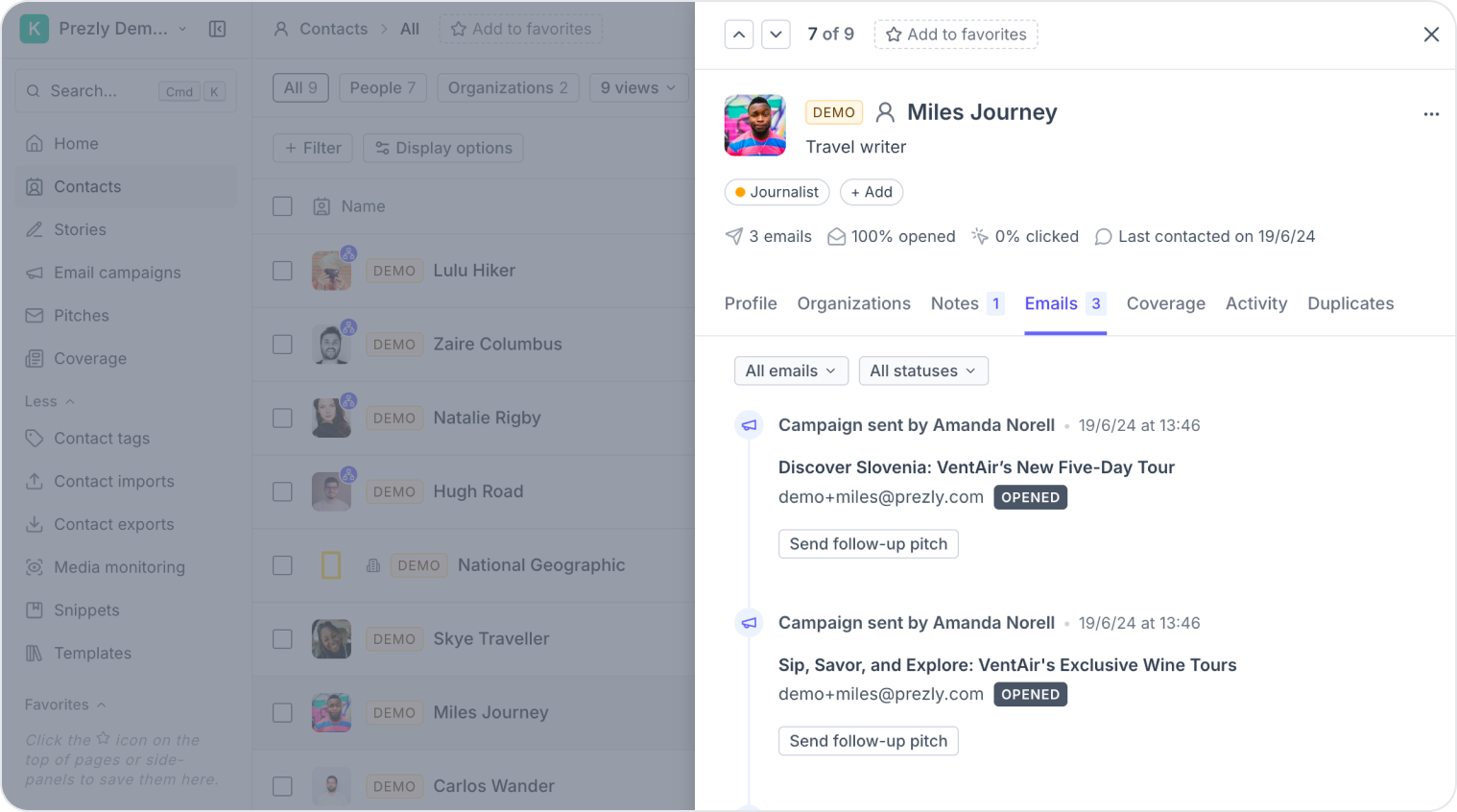
Prezly is built around a specific belief: that PR works best when outreach and publishing reinforce each other. Stories published on a Prezly newsroom stay publicly accessible and continue to attract attention after the initial send. Each campaign contributes additional visibility, audience engagement, and relationship context that remains available for future communications.
That combination – a PR CRM, pitching tools, online newsroom, media monitoring, and analytics under one roof – makes Prezly a natural fit for teams tired of stitching together separate tools. The interface is clean and built specifically for PR work, not adapted from a generic CRM or marketing automation platform.
For agencies managing multiple client newsrooms, the multi-client structure works well. For in-house teams, the combination of owned media publishing and relationship management means PR work stays visible and organised in one platform.
Core features: Online newsroom, press release publishing, PR CRM with contact segmentation, pitching and email outreach, media monitoring, analytics and coverage reporting, team collaboration tools.
Good fit for: Growing PR teams wanting structure; agencies managing multiple clients; brands focused on building a media presence over time; teams wanting a modern PR CRM instead of a database-only tool.
Pricing: Mid-range subscription with clear packages. Free 14-day trial available.
Best for: Large organisations needing a comprehensive media database and enterprise reporting infrastructure.
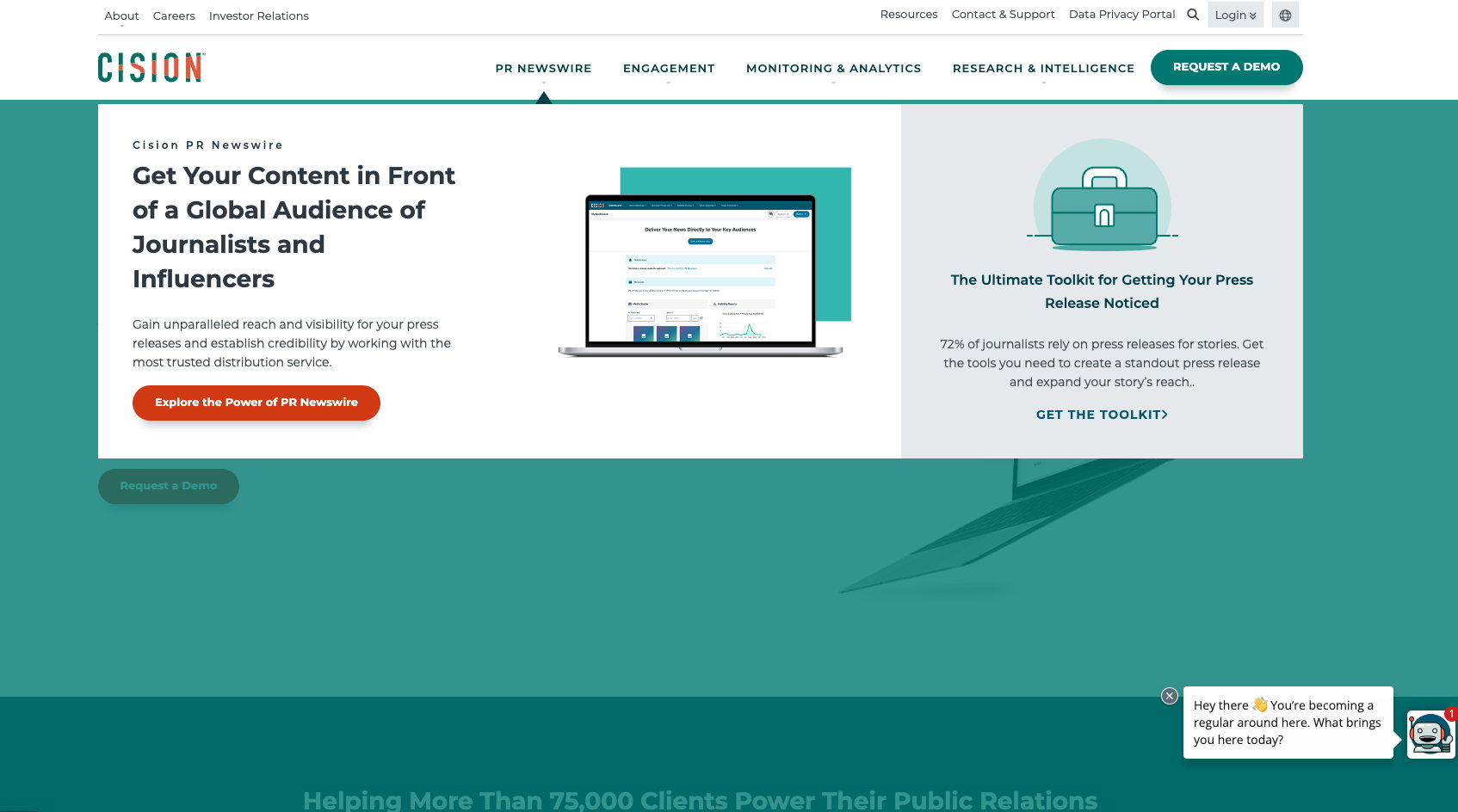
Cision is one of the most established names in public relations software. Its main draw is the depth of its media database and the scale of its monitoring and analytics capabilities. Enterprise communications teams that need global reach and detailed reporting tend to find it a natural fit.
Smaller teams often find it complex and expensive relative to what they actually need day to day. For a more detailed breakdown, see our Cision reviews analysis.
Core features: Global media database, media monitoring, analytics dashboards, press release distribution, reporting and benchmarking.
Good fit for: Corporate communications departments; large multinational PR teams; organisations with complex monitoring and reporting requirements.
Pricing: Enterprise, typically quote-based.
Best for: PR teams with a strong earned media focus and high outreach volume.
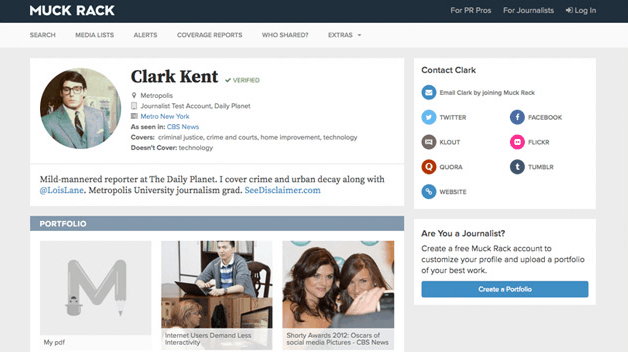
Muck Rack grew from a journalist database into a more complete PR platform. Its journalist-first approach remains its strongest differentiator – the platform indexes what journalists publish and cover in real time, which makes finding the right contact and pitching at the right moment more reliable. Coverage tracking is largely automatic, which saves time on clip collection.
Core features: Journalist database and profiles, pitching and outreach tools, media monitoring, reporting dashboards, engagement tracking.
Good fit for: PR agencies with frequent pitching activity; in-house PR teams with strong outreach needs; teams that want monitoring closely connected to their pitching workflow.
Pricing: Mid-to-high range.
Best for: Teams where media monitoring and media intelligence take priority over outreach.
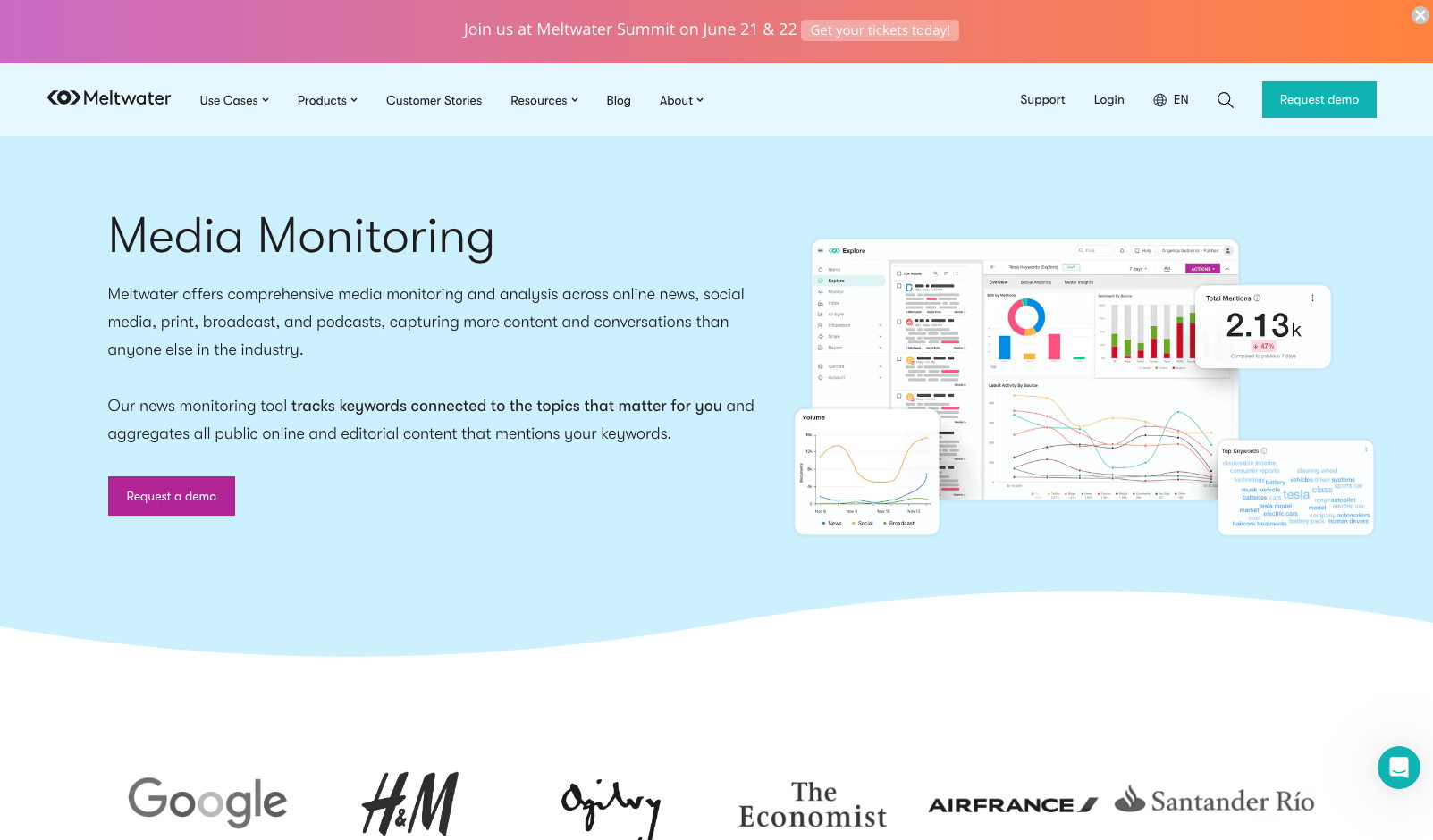
Meltwater is primarily a media intelligence platform. Its strength is in tracking coverage across large volumes of sources – news, blogs, online media, and social – and turning that data into analytics stakeholders can act on. Social listening is a particular strength, and the platform is often used by brands tracking reputation across multiple markets.
Outreach workflows tend to be secondary; teams using Meltwater often need complementary PR tools for pitching and press release distribution.
Core features: Media monitoring, social listening, database access, analytics dashboards, sentiment analysis, trend reporting.
Good fit for: Large comms teams; brands with complex reputation monitoring needs; organisations connecting PR data to broader marketing analytics.
Pricing: Enterprise, typically quote-based.
Best for: Existing Prowly users evaluating what comes next.
Prowly previously offered a combination of newsroom tools and CRM functionality. It is now being absorbed into the Semrush AI PR Toolkit. For teams currently using Prowly and assessing alternatives, Prezly's direct comparison covers the key differences in CRM capabilities, newsroom features, and media monitoring.
Best for: PR agencies producing regular client-facing coverage reports.
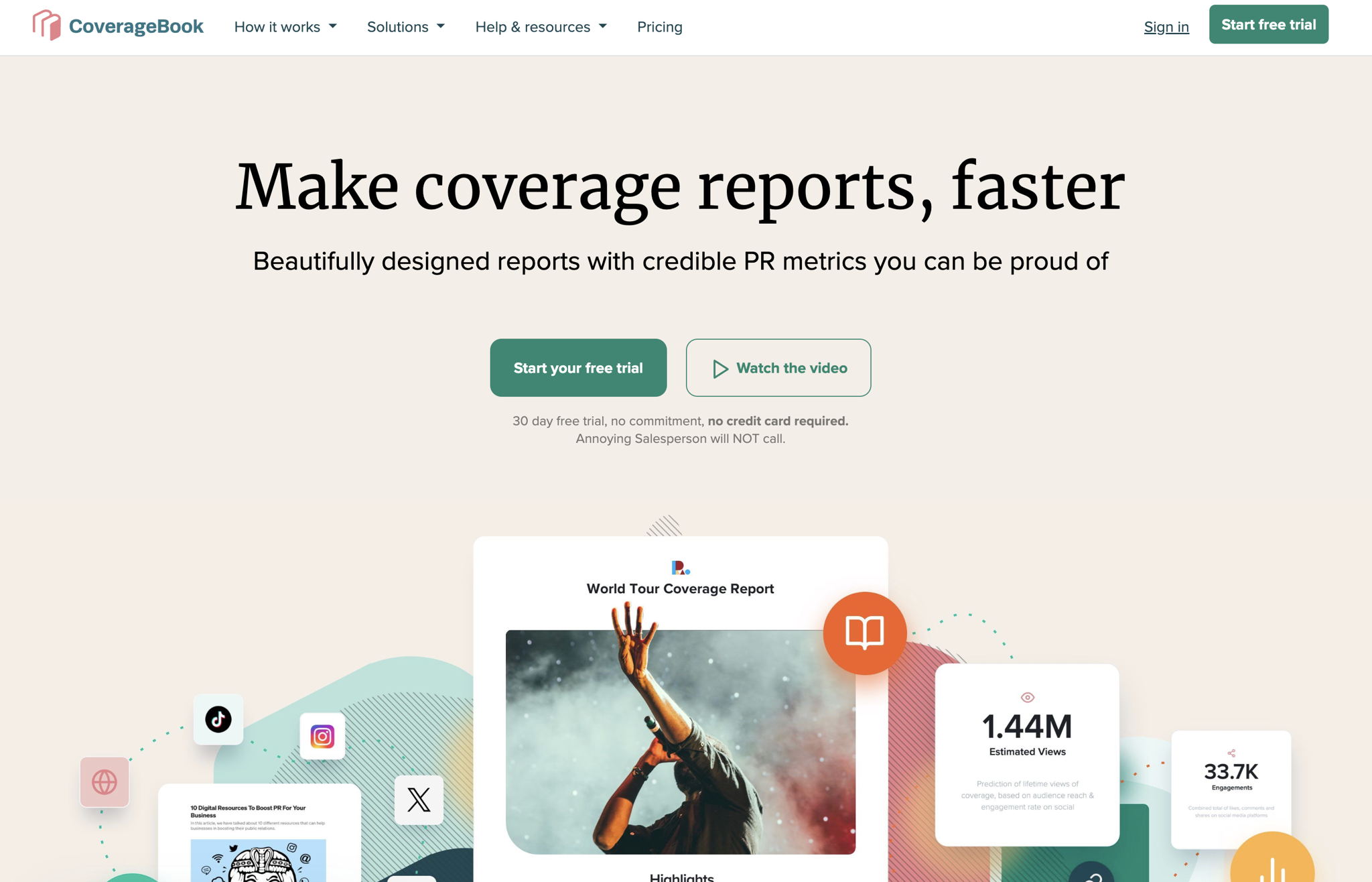
CoverageBook specialises in coverage reporting. If your team already has pitching and monitoring in place, it provides a straightforward way to compile media coverage into clear, shareable reports for clients and stakeholders.
Core features: Coverage collection and organisation, shareable reporting dashboards, visual summaries, exportable PR reports.
Good fit for: Agencies producing frequent coverage reports; teams with existing outreach and monitoring tools looking to improve reporting output.
Pricing: Lower to mid-range.
Already using CoverageBook? Integrate it with Prezly to consolidate all your PR work in one central hub.
Best for: Mid-sized teams wanting a traditional database and monitoring workflow without going fully enterprise.
Agility PR combines a media database, monitoring, outreach tools, and reporting in a package that sits between boutique tools and full enterprise platforms. The core workflows are solid and practical for everyday media relations; the interface feels more established than modern.
Core features: Media database, media monitoring, outreach and distribution tools, reporting dashboards.
Good fit for: Mid-sized in-house PR teams; PR agencies wanting a database-led workflow; teams upgrading from spreadsheets to a structured platform.
Pricing: Mid-to-high range, often quote-based.
Best for: Digital PR and SEO teams managing outreach at volume.
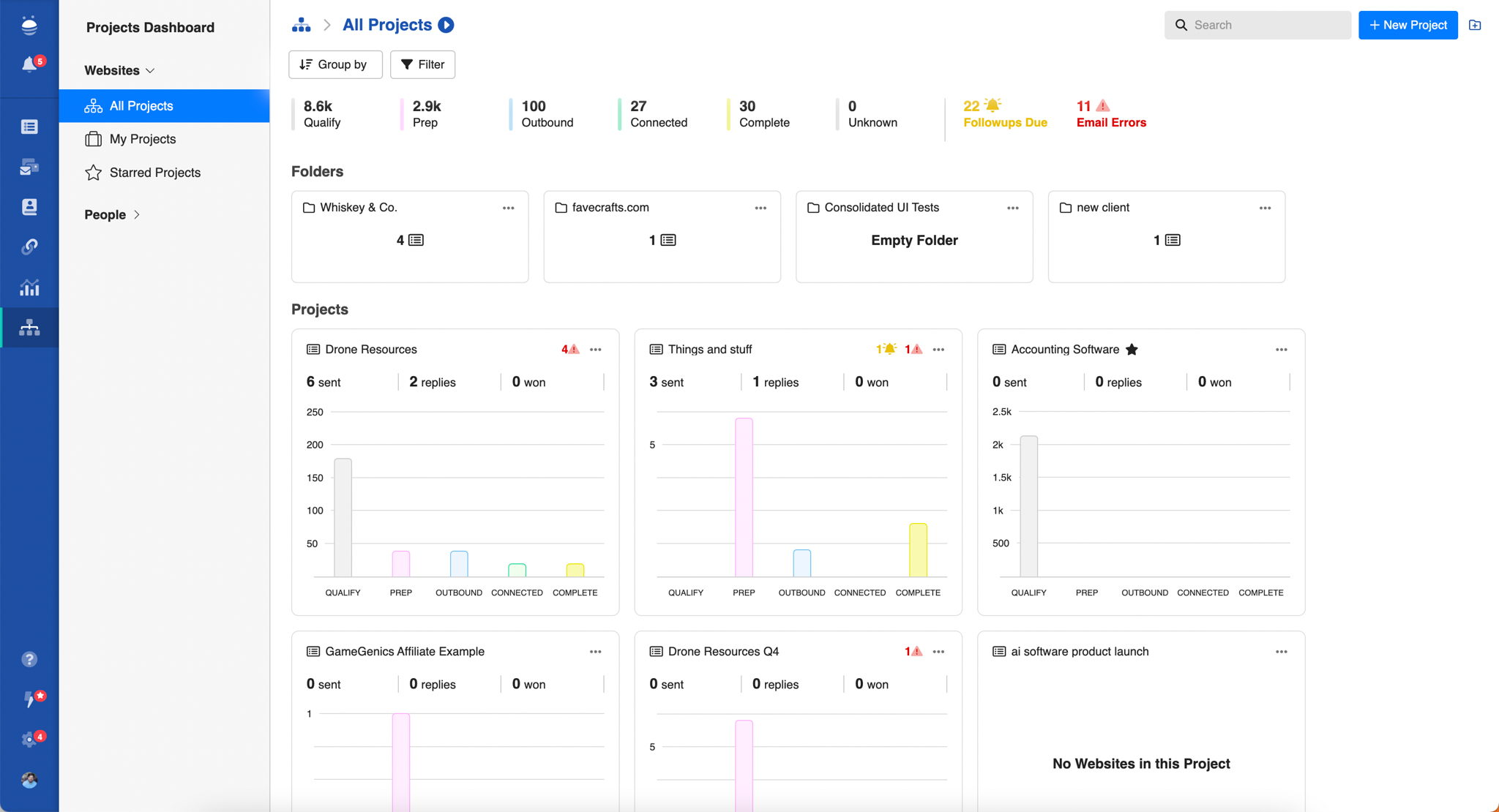
BuzzStream is widely used by teams that blend digital PR with SEO, particularly for link-building and digital outreach. The platform focuses on outreach management and is generally more affordable than many dedicated PR software platforms.
Core features: Contact and relationship tracking, outreach email tools, follow-up reminders, pipeline management, outreach performance reporting.
Good fit for: Digital PR teams working with SEO campaigns; agencies doing large-scale outreach; teams managing influencer and backlink outreach.
Pricing: Lower to mid-range.
Best for: PR teams that need visibility into broadcast coverage.
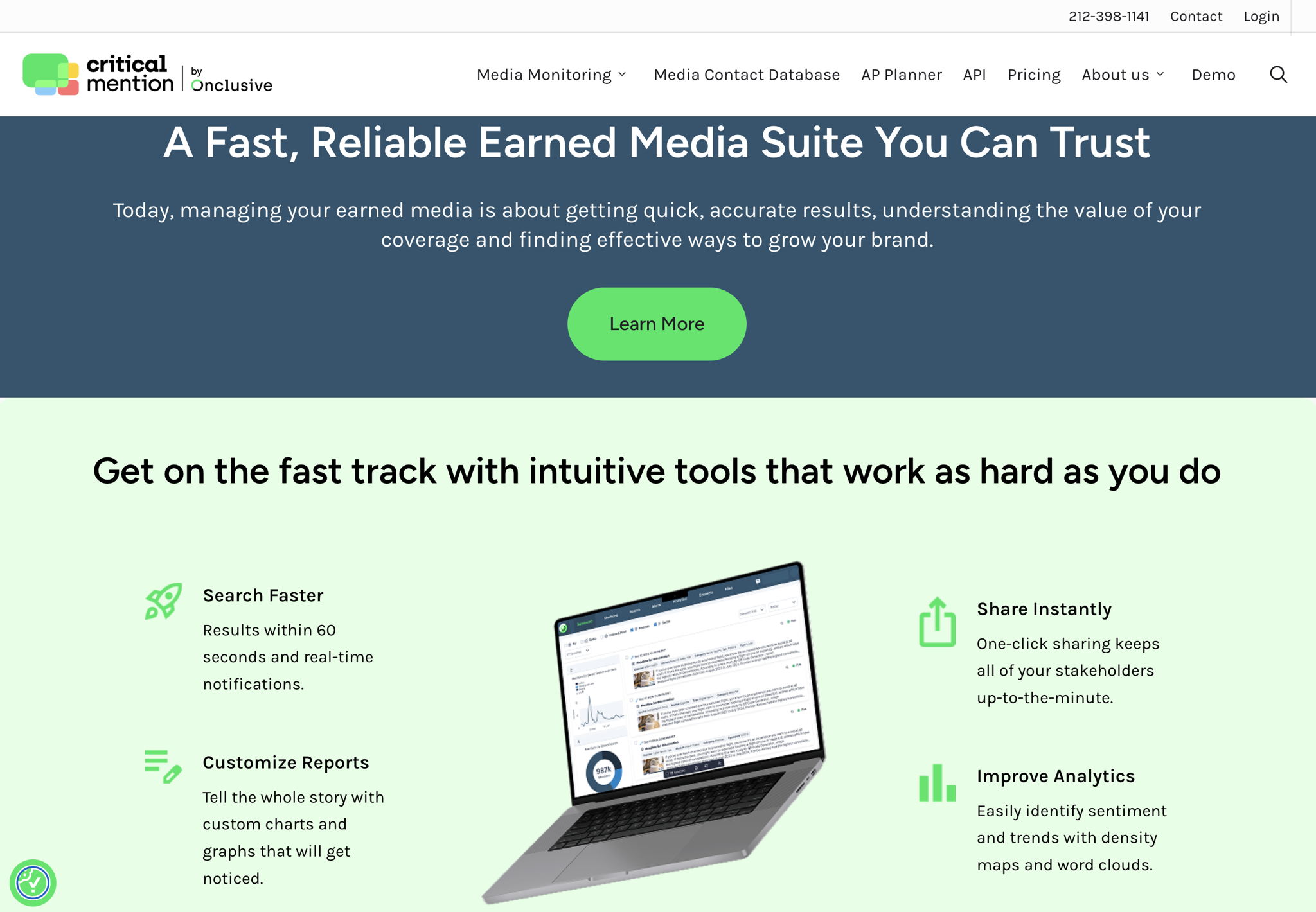
Critical Mention is built specifically for tracking television and radio mentions. For brands with regular broadcast presence – spokespeople, crisis situations, product launches – it provides clip-level visibility that most web-focused platforms don't cover.
Core features: TV and radio monitoring, alerts, clip creation and sharing, reporting dashboards.
Good fit for: Brands with regular broadcast coverage; PR teams tracking spokesperson visibility; agencies supporting media-trained executives.
Pricing: Enterprise.
Best for: Social listening and reputation intelligence at scale.

Talkwalker is primarily a social listening platform, used by larger organisations monitoring brand sentiment, tracking reputation, and detecting early signals of potential issues across social media and online news. Sentiment analysis is a core feature, and the platform is designed to surface real-time insights across a wide media landscape.
Core features: Social listening, sentiment analysis, trend tracking, crisis alerts, analytics dashboards.
Good fit for: Global brands; teams monitoring brand reputation across multiple markets; organisations that need deeper analytics beyond basic PR coverage tracking.
Pricing: Enterprise.
Best for: Enterprise teams that need deep social and consumer intelligence.
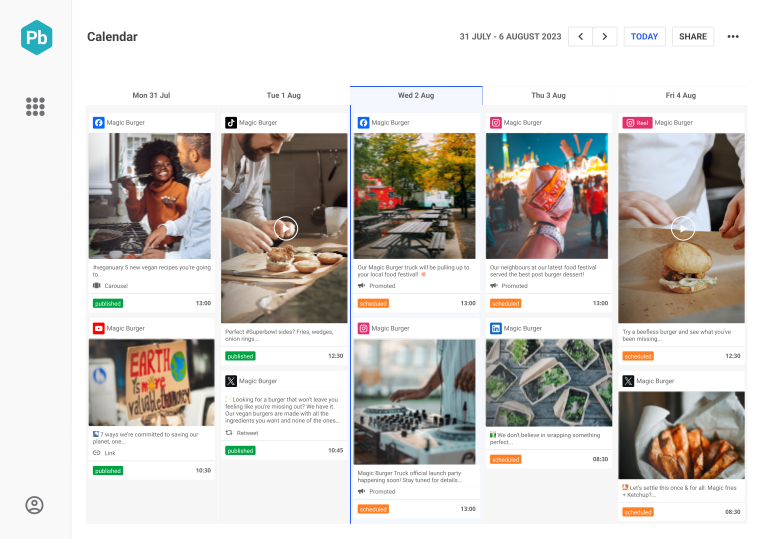
Brandwatch is another major social intelligence platform, widely used by marketing, communications, and insight teams for audience research, consumer analysis, and trend monitoring. It is particularly strong in audience segmentation and long-term trend analysis.
Core features: Social listening, consumer insights dashboards, sentiment and audience analysis, reporting and benchmarking.
Good fit for: Large organisations with dedicated analytics functions; brands doing reputation research at scale; teams combining PR with consumer insight strategy.
Pricing: Enterprise.
Best for: Smaller teams that need basic brand monitoring without enterprise complexity.
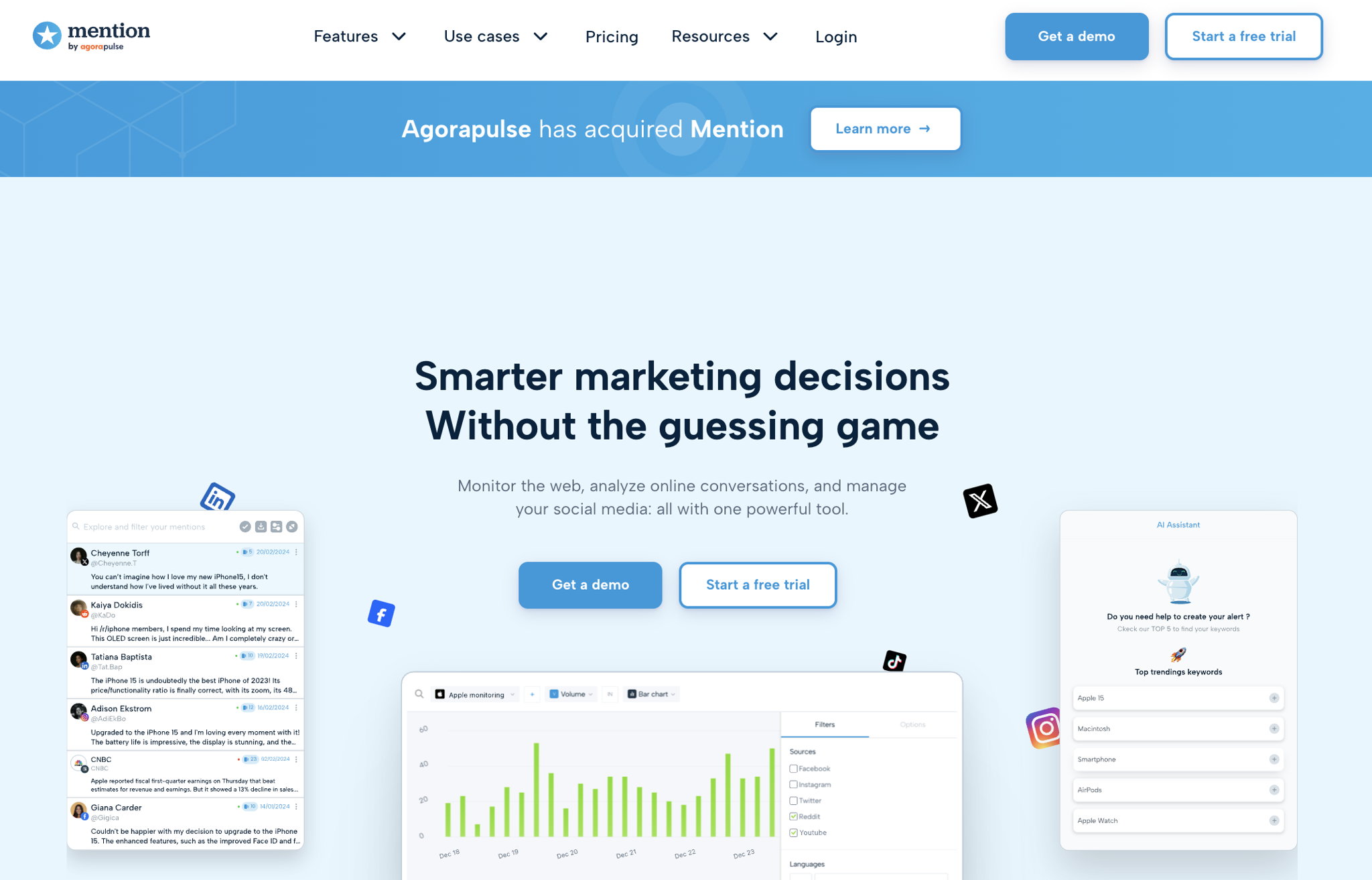
Mention is a lightweight monitoring tool designed for PR teams and small businesses that want web and social alerts without a heavy implementation. It's affordable and quick to set up, though monitoring accuracy and reporting depth don't match enterprise alternatives.
Core features: Web and social monitoring alerts, keyword tracking, basic reporting, simple dashboards.
Good fit for: Startups and small businesses; small PR teams needing basic monitoring alongside separate outreach tools.
Pricing: Lower range.
Best for: Large comms teams with structured measurement and leadership reporting requirements.

Onclusive is designed for organisations tracking coverage and communications performance at scale. Its reporting and measurement capabilities are strong, particularly for teams that need to present detailed results – share of voice, sentiment, reach – to senior stakeholders or boards.
Core features: Media monitoring, analytics and dashboards, share of voice reporting, stakeholder reporting tools.
Good fit for: Corporate comms teams; organisations with heavy measurement and benchmarking needs; PR departments reporting directly to leadership.
Pricing: Enterprise.
Best for: UK PR teams focused on journalist discovery and targeted outreach.
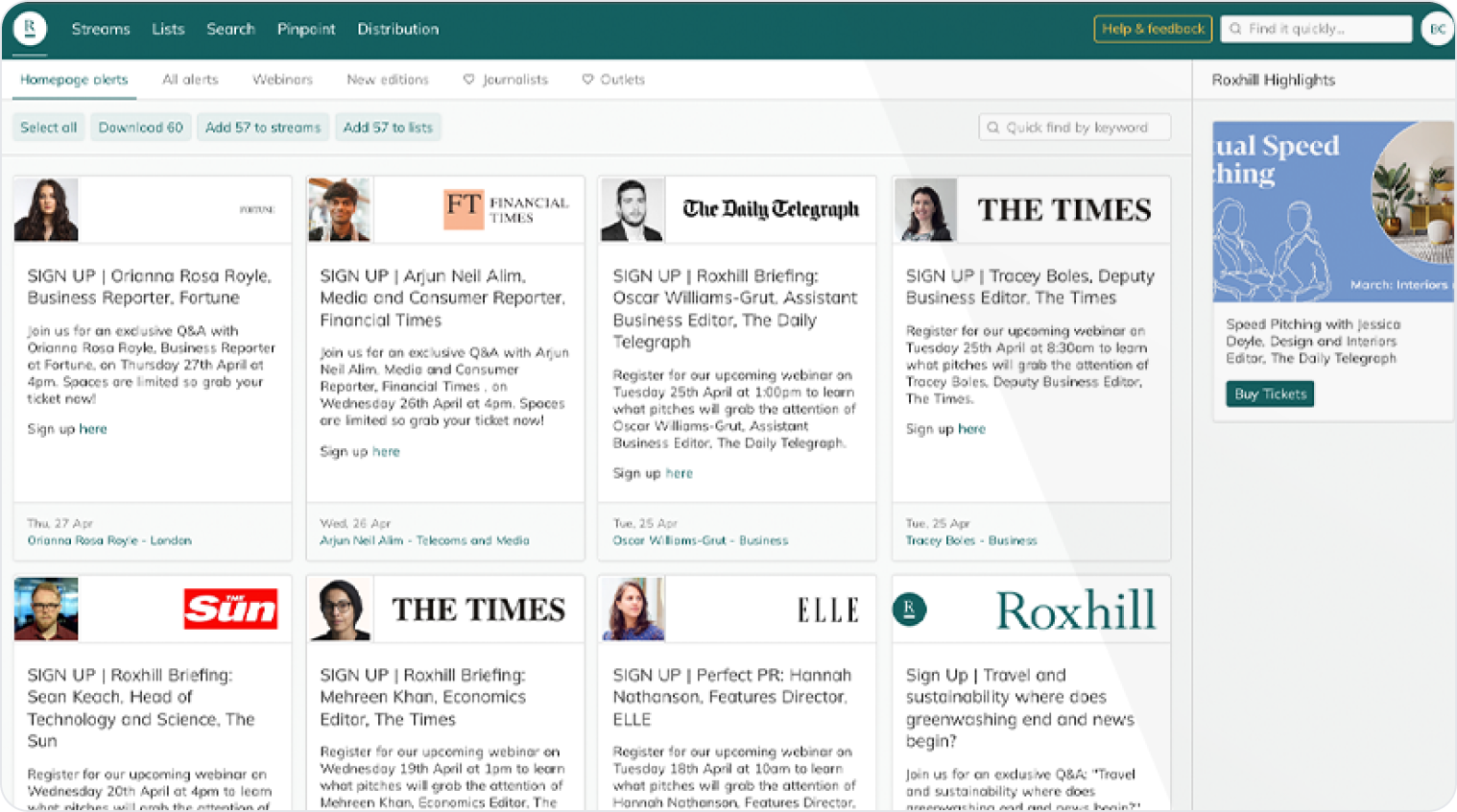
Roxhill is a UK-focused PR platform known for the depth of its domestic media database. It's widely used by UK PR agencies and in-house teams who want reliable journalist research without paying for global enterprise features they won't use.
Core features: UK media database, journalist research tools, pitching support, monitoring and alerts.
Good fit for: UK PR agencies; UK-focused in-house PR teams; PR professionals doing targeted journalist outreach.
Pricing: Mid-to-high range.
The most suitable platform is usually the one that aligns with your team's priorities and reporting requirements. Before making a decision, it's worth evaluating a few key questions.
Many PR tools excel in a specific area, such as media databases, monitoring, or reporting. If you're adding a specialist tool, understand where it fits within your existing workflow and which capabilities will still need to come from other platforms. If you're evaluating an all-in-one solution, look closely at how well each feature is implemented across the full PR process.
Most outreach ends at "sent" and resumes at "did they cover it?" What happens in between – follow-up tracking, email analytics, relationship history – varies enormously between platforms. A PR CRM that tracks interactions over time gives teams the context to follow up intelligently, which a basic send-and-track system simply doesn't provide.
Some PR tools are designed around individual campaigns, while others help teams maintain continuity across months or years of outreach. When contact history lives in spreadsheets, published stories are difficult to find after distribution, and reporting focuses only on recent activity, demonstrating the broader impact of PR becomes much more difficult.
Platforms that combine publishing, relationship management, and analytics provide a clearer view of how media relationships develop, how content continues to perform, and how PR efforts contribute to longer-term communications goals.
A surprising number of PR management tools are quote-based and notoriously resistant to publishing pricing online. That's fine for enterprise procurement, but it makes comparison difficult for teams working with limited budgets. Platforms with published pricing tiers are easier to evaluate and budget for.
Enterprise PR platforms often come with weeks of setup and dedicated account management. That's appropriate for some organisations, but overkill for others. Know whether you're buying a platform or a managed service – and whether the answer matches what your team has capacity for.
PR management software supports the operational side of PR – the outreach, the tracking, the reporting. But the underlying strategy still determines how useful any tool can be.
Effective PR starts with stories worth telling. The right tools help you reach relevant journalists efficiently and track whether it worked, but no platform can substitute for relevance and timing. A well-crafted pitch to the right person at the right moment will always outperform a mass campaign.
What good PR management software does is make the human work easier: it keeps relationship context organised so nothing falls through the gaps, turns coverage data into something you can learn from, and produces the kind of reporting that lets PR teams demonstrate measurable impact.
The strongest platforms automate routine tasks and support efficient workflows, giving teams more time for the work that requires human judgement.
Not in any meaningful sense. PR is fundamentally about relationships and trust – things that require human judgment, context, and credibility. AI tools are becoming useful for drafting press releases, summarising coverage, and generating reports, but the work of building genuine media relationships, crafting a story that resonates, and managing the human dynamics of a pitch can't be automated away.
What's more likely is that AI accelerates the administrative parts of PR work, freeing up more time for the relationship-building and strategic thinking that actually drives results. PR professionals who use AI thoughtfully – to handle repetitive tasks not to replace considered outreach – will have an advantage over those who either ignore it or over-rely on it.
The five agencies most commonly cited as the largest global PR firms are Edelman, Weber Shandwick, BCW (Burson Cohn & Wolfe), FleishmanHillard, and Hill+Knowlton Strategies. These are all major agencies operating across multiple markets and disciplines. The ranking shifts depending on whether you're measuring by revenue, headcount, or global reach.
The four most widely recognised types of PR are:
Media relations – pitching stories to journalists and managing coverage across news outlets, publications, and broadcast media.
Crisis communications – managing a brand's response when something goes wrong, protecting reputation under pressure.
Corporate communications – managing how an organisation communicates with its stakeholders, including employees, investors, and the public.
Consumer PR – building brand awareness and reputation with end customers, often through product launches, events, and influencer relationships.
In practice, many PR professionals work across more than one of these, and the distinctions blur in smaller teams.
The four pillars most often cited in PR practice are:
Research – understanding the landscape: your audience, your media targets, the competitive context, and what your stakeholders care about.
Planning – turning insights into a strategy: what you want to achieve, who you're trying to reach, and what stories and timing will get you there.
Execution – doing the work: writing press releases, pitching journalists, managing relationships, and delivering campaigns.
Evaluation – measuring what worked: tracking media coverage, analysing engagement, and reporting results in a way that demonstrates the value of PR over time.
Good PR management software supports all four stages – but evaluation in particular is where many teams still struggle to show long-term impact instead of just campaign-level activity.
The best PR management software is whichever platform fits how your team actually works – and the kind of PR you're trying to build.
If you're a large organisation with complex monitoring needs and a dedicated analytics team, an enterprise platform like Cision or Meltwater may make sense. If you're a UK-focused agency, Roxhill's database depth is hard to beat for domestic outreach. If you want clean, focused reporting for client presentations, CoverageBook fills that gap well.
But for teams looking to manage outreach, publishing, media relationships, and analytics within a single platform, Prezly brings those functions together in one workflow while preserving valuable context across campaigns.
Start a free 14-day trial to see how outbound and inbound PR can work together.
Looking at a specific category? See our guides to PR database software, PR CRM software, the best PR agencies to hire, or, if you're specifically weighing up Prowly against Cision, our Prowly vs Cision comparison.
About the authors
 CE
CE KB
KB
Build better PR, with Prezly
- Create and publish: Build beautiful press releases.
- Build relationships: Keep your contacts organized.
- Reach your audience: Send targeted pitches.